What is Driving CASE Mobility?
The future of mobility seeks to replace the congestion, pollution, and unsafe roadways of today’s automotive landscape with safer, more sustainable transportation solutions.
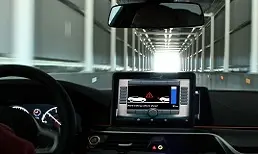
This is spurred by new automotive connectivity technologies, improved machine learning and artificial intelligence capabilities, and shifting attitudes and priorities toward technology and sustainability.
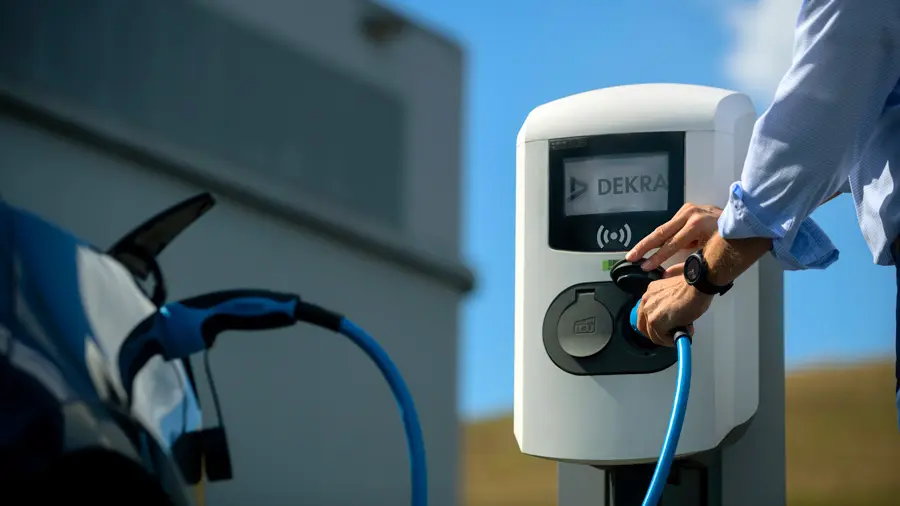
- By 2035, nearly 70% of new vehicles sold in the United States will be full hybrid or zero emission. The electrification of America’s roadways means lower emissions and a decreased reliance on fossil fuels.
- New vehicles are expected to be increasingly connected, creating more than 2 TB of data per day by 2030 from cameras, LIDAR, RADAR, and more.
- Nearly 10% of new vehicles sold in 2035 will feature Level 4 automation. This is a high level of driving automation in which vehicles can perform all driving tasks.
These changes will have far-reaching impact across the transportation ecosystem. They will also fundamentally alter established industries, such as insurance, manufacturing, and energy and utilities.
The changes will also redefine vehicle safety by adding new areas and expanding others. Cybersecurity is required to secure the data created and transmitted by vehicles. Functional safety keeps the vehicle and its systems operating properly. Product testing and homologation ensure that each component in the vehicle functions properly and works together as a whole. Process safety helps ensure that electric vehicles and batteries are stored safely and securely.